Jawai Bandh Rajasthan: History, Heritage and Leopard Conservation

Weekend Getaway in Jawai: Resort Stay and Safari Itinerary
August 3, 2026
Jawai Leopard Safari from Udaipur: Complete 2026 Travel Guide
September 7, 2026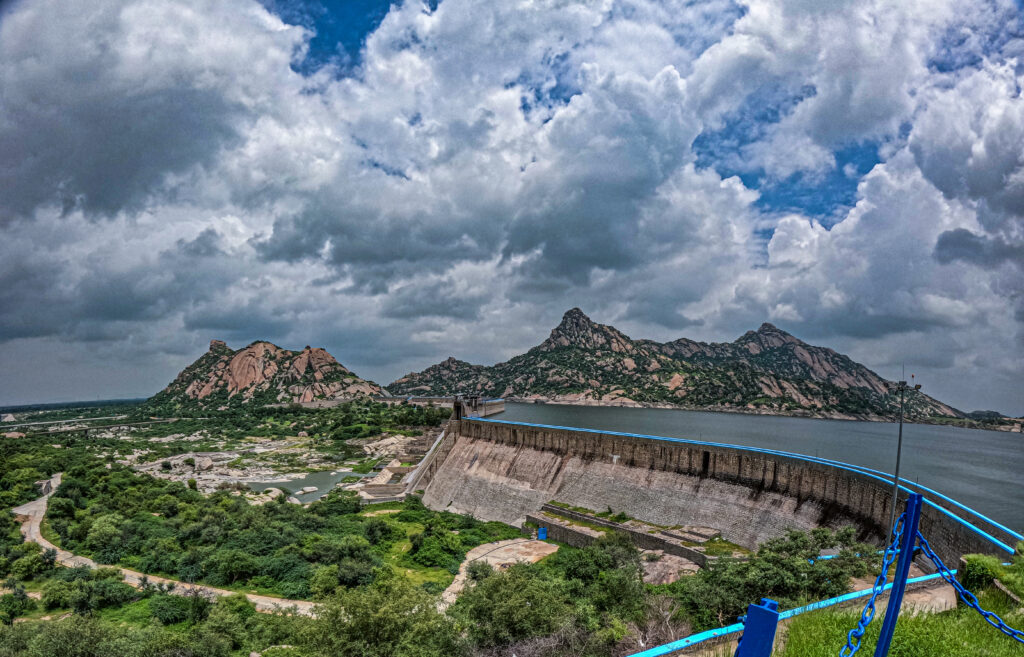
Jawai Bandh, located in Rajasthan’s Pali district, is one of the state’s most distinctive landscapes, where a large reservoir, rugged granite hills, traditional villages and free-ranging leopards exist remarkably close to one another. Unlike many wildlife destinations where animals are confined to formally protected forests, the Jawai landscape is known for a long-standing pattern of human–leopard coexistence across a semi-arid environment. The reservoir also supports agriculture, livestock and wetland habitats, making Jawai important not only as a tourism destination but also as a regional water and ecological resource.
Today, visitors come for the dramatic scenery and wildlife, particularly the famous Jawai Dam safari experience. However, understanding the history of the dam, the surrounding Rabari pastoral culture and the ecology of the leopard makes a visit much more meaningful.
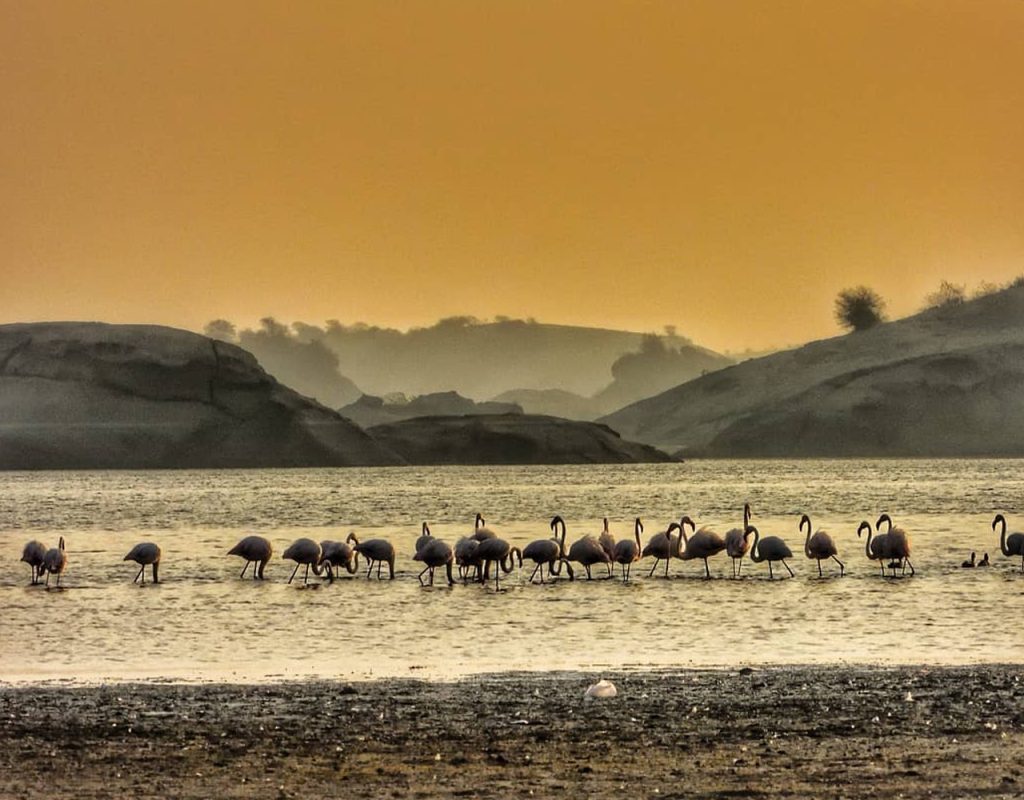
History of Jawai Bandh and Jawai Dam
Jawai Bandh, commonly called Jawai Dam, was developed on the Jawai River in the former Jodhpur region during the post-independence period. Construction was undertaken to strengthen water availability in the semi-arid landscape of western Rajasthan and support irrigation and agriculture in the surrounding areas. The project was completed in the late 1950s, with 1957 commonly cited as the year of completion.
The dam transformed the Jawai valley by creating a substantial reservoir in an otherwise dry landscape. Its importance extends beyond tourism: water stored here contributes to irrigation and helps sustain agricultural activity in parts of Pali district.
The reservoir is also part of a larger hydrological system associated with the Jawai River and the western Aravalli landscape. Seasonal rainfall strongly influences its water spread, wetland conditions and the wildlife that gathers around it.
Jawai Dam has a storage capacity commonly reported at approximately 9.7 billion cubic feet (BCF), equivalent to roughly 275 million cubic metres. Because published figures can differ depending on whether gross or live storage is being discussed, visitors and writers should distinguish between the reservoir's overall storage specifications and the amount of water available for operational use.
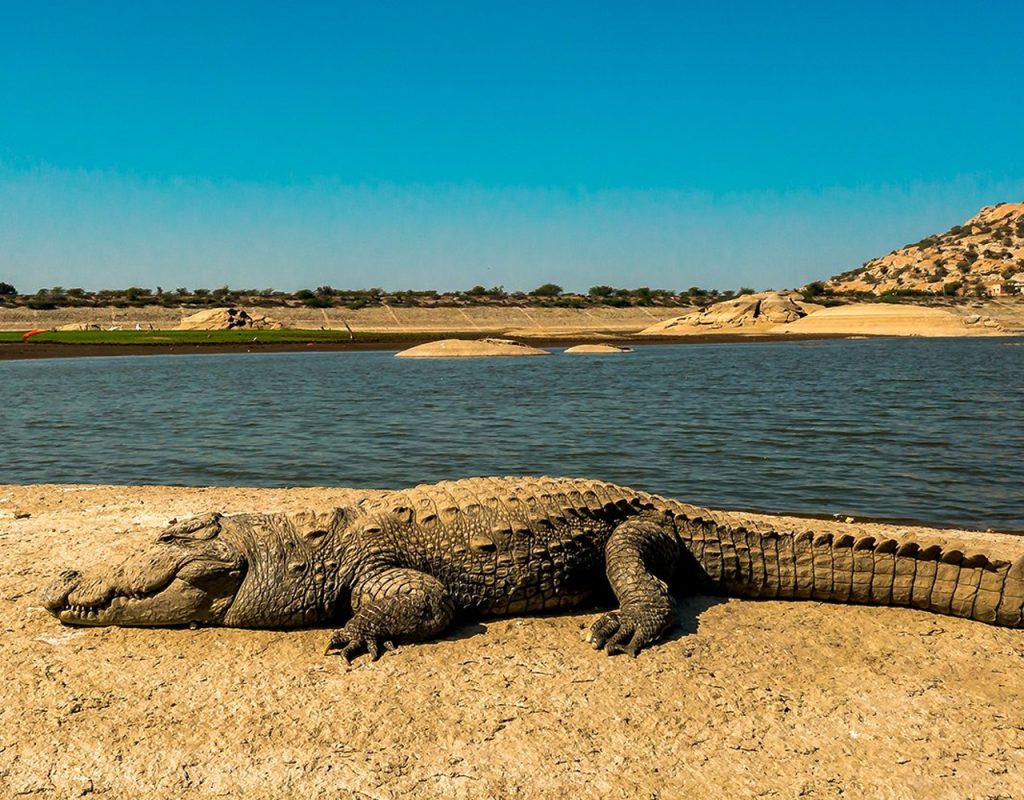
The Landscape Around Jawai
One of Jawai’s greatest attractions is its unusual combination of water and rocky terrain. Granite hills rise around the reservoir, creating caves, crevices and natural shelters that are particularly suitable for leopards. In between the hills are grasslands, scrub vegetation, agricultural fields and villages.
This semi-arid mosaic is an important reason Jawai has become famous for wildlife observation. The rocky hills provide shelter, while the surrounding countryside supports prey species such as domestic livestock and wild herbivores. The reservoir, meanwhile, attracts numerous birds and creates a striking contrast with the dry landscape.
The region also has a strong cultural identity. Pastoral communities, especially the Rabari people, have traditionally depended on livestock herding. Their presence is an integral part of the Jawai landscape rather than simply a background to wildlife tourism.
Why Jawai Is Famous for Leopards
The leopard (Panthera pardus) is the undisputed star of Jawai. The region is particularly notable because leopards occupy a landscape shared with people, livestock and tourism.
Jawai is not synonymous with a conventional national-park safari. Instead, leopards may use rocky hill complexes close to villages and agricultural areas. Their ability to exploit caves and rocky shelters during the daytime makes the hills around Jawai especially important habitat.
Research on leopards in the broader Bera–Jawai landscape has highlighted the ecological significance of unprotected scrublands and the remarkable capacity of leopards to persist in human-dominated environments. This makes Jawai an important case study in human–wildlife coexistence.
However, coexistence should not be confused with the absence of risk. Increasing tourism, road traffic, habitat modification and human activity can place additional pressure on wildlife. Responsible tourism is therefore essential to ensure that the popularity of leopard safaris does not undermine the very ecosystem that attracts visitors.
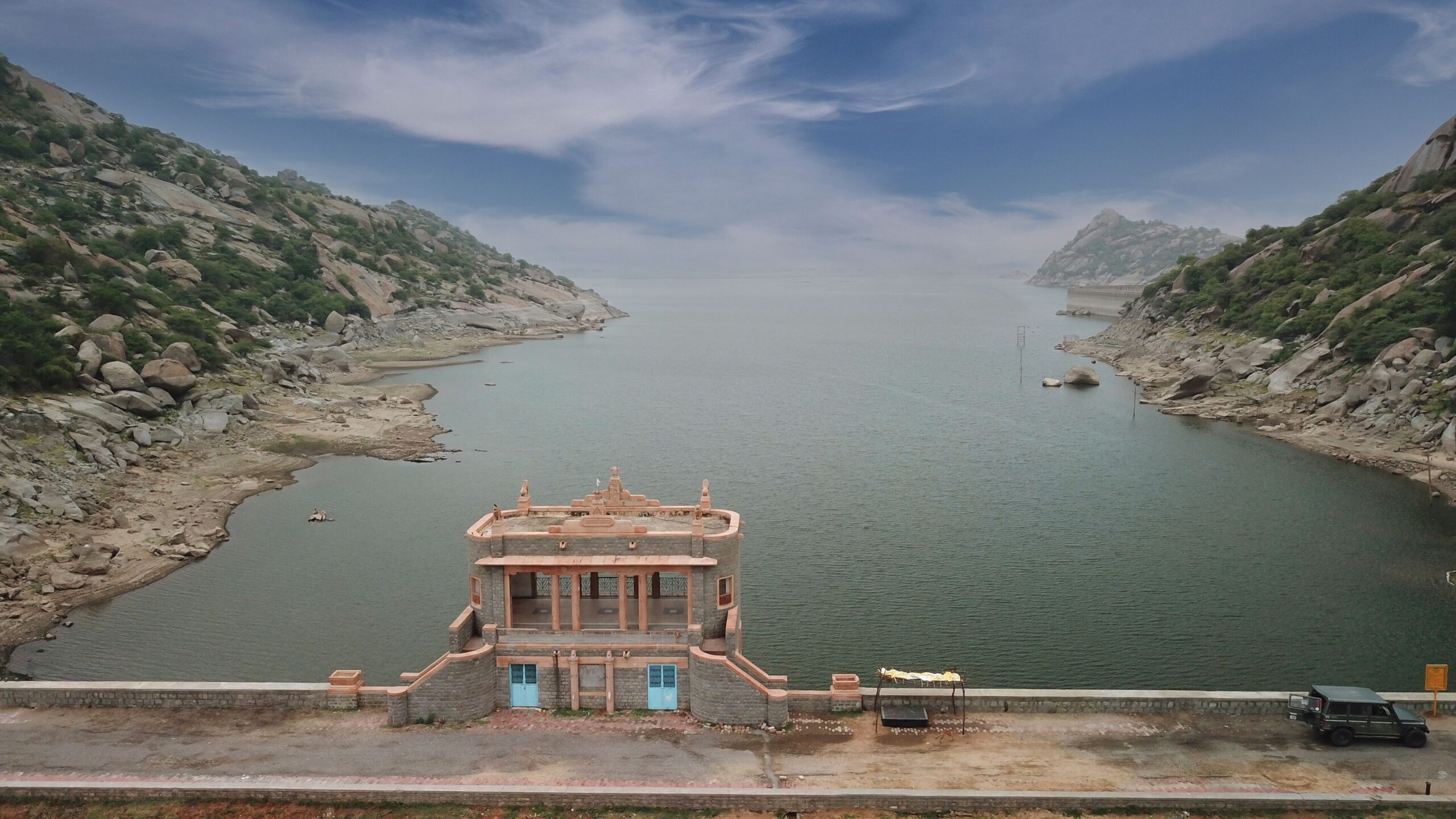
Leopard Conservation at Jawai
Jawai’s conservation story is distinctive because it involves wildlife, local communities and the landscape outside conventional protected areas. The survival of leopards here depends on the availability of suitable rocky habitat, prey, water and relatively tolerant human communities.
Local knowledge is particularly valuable. Residents and safari guides often understand individual hills, animal movement patterns and seasonal changes extremely well. Their participation can help visitors observe wildlife without unnecessarily disturbing animals.
A responsible Jawai dam jeep safari should maintain a respectful distance from wildlife, avoid chasing or surrounding leopards, follow local regulations and minimize noise. Visitors should also avoid feeding animals or attempting to attract them for photographs.
The long-term future of Jawai depends on maintaining this balance. Conservation efforts need to consider not only the leopard but also the communities, livestock, prey species, vegetation, wetlands and rocky habitats that collectively form the ecosystem.
Jawai Bandh Sightseeing: What to See
Jawai bandh sightseeing is more than simply visiting the reservoir. A complete experience can include the dam, surrounding granite hills, leopard habitats, village landscapes, bird-rich wetlands and nearby cultural attractions.
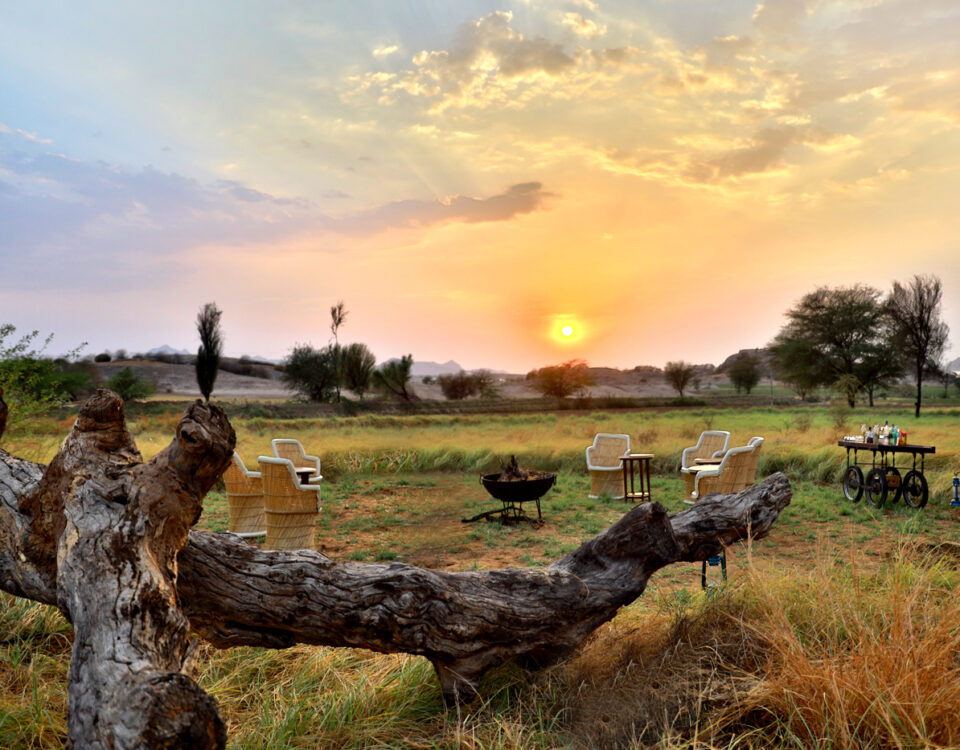
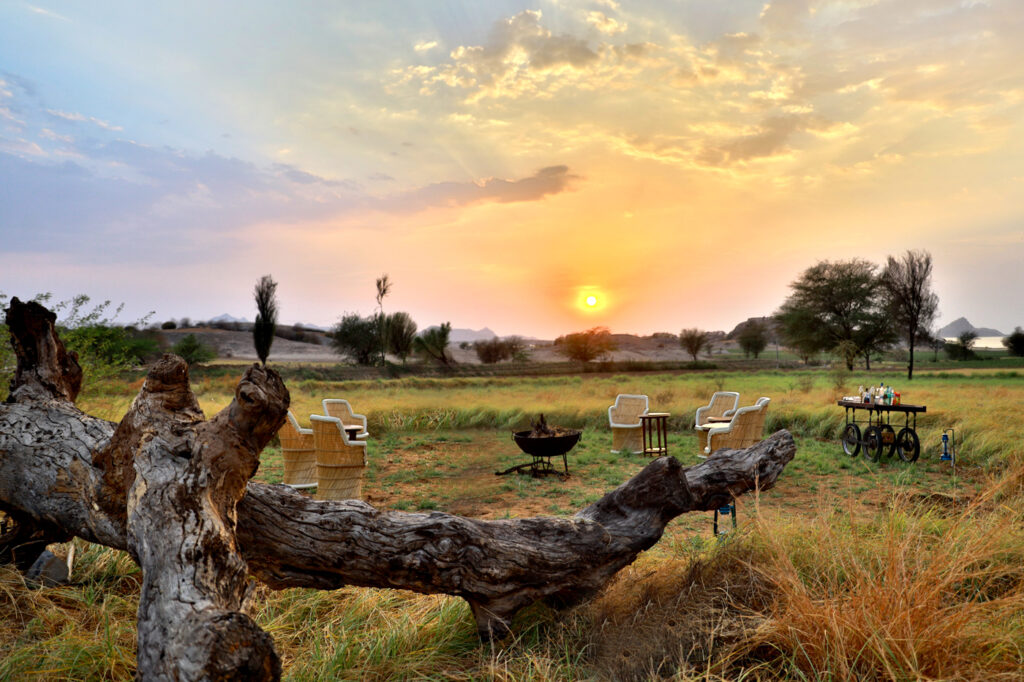
The reservoir is particularly scenic around sunrise and sunset, when the changing light reflects across the water and highlights the surrounding hills. Winter can be especially rewarding for birdwatching, with migratory and resident waterbirds adding another dimension to the landscape.
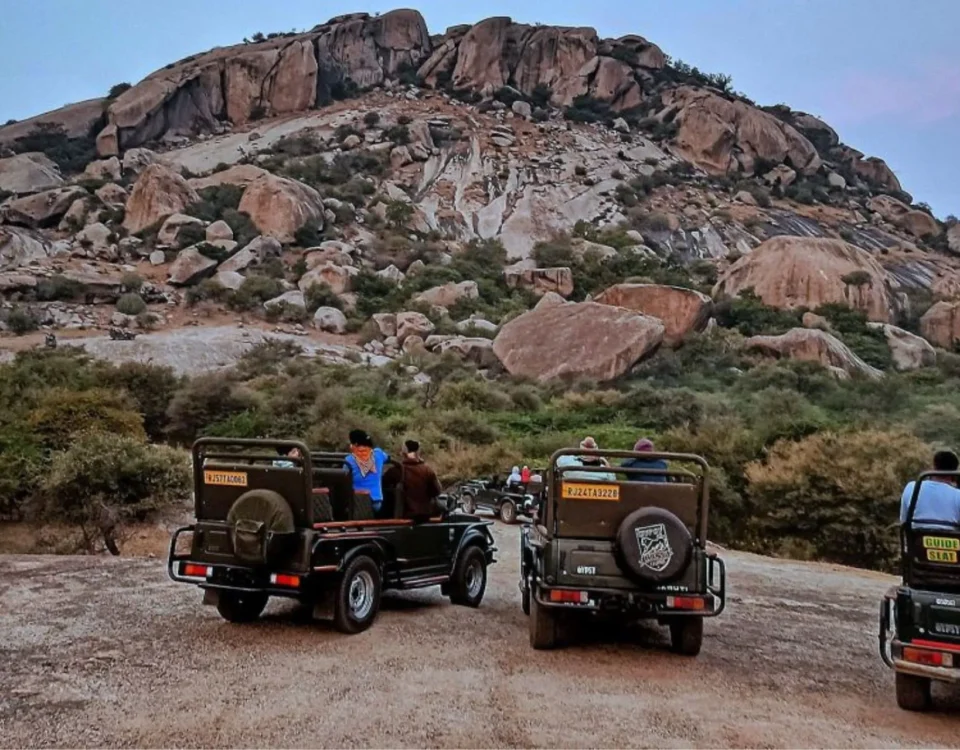
The nearby hills are the main focus for leopard sightings. Guides typically select safari routes according to recent wildlife movement, weather and local conditions, so sightings can never be guaranteed.
Jawai Dam Safari Experience
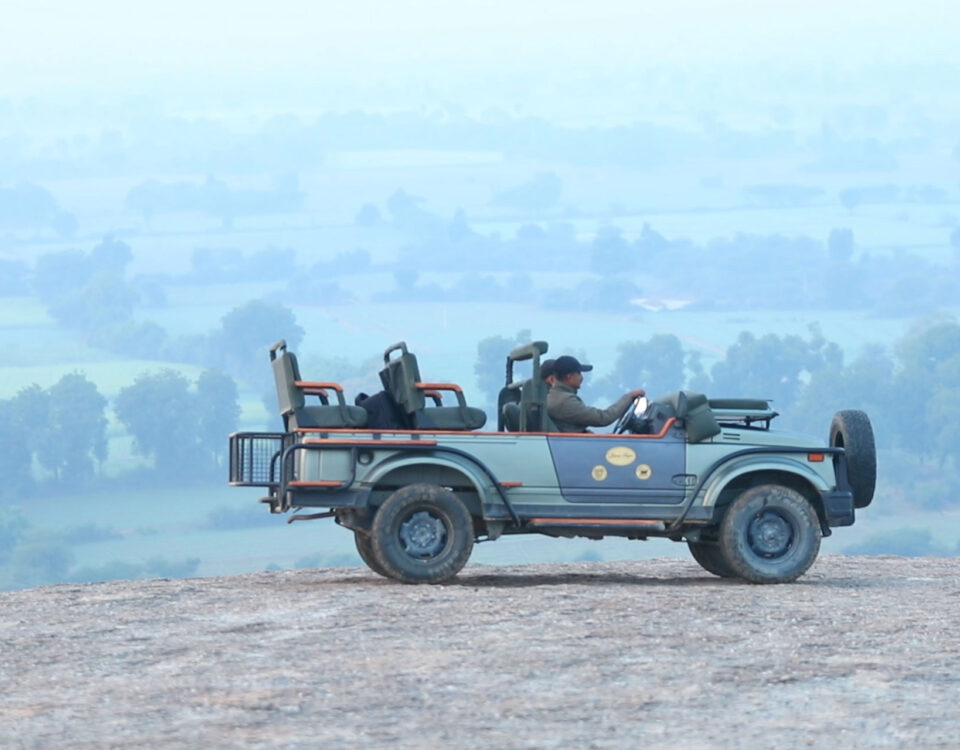
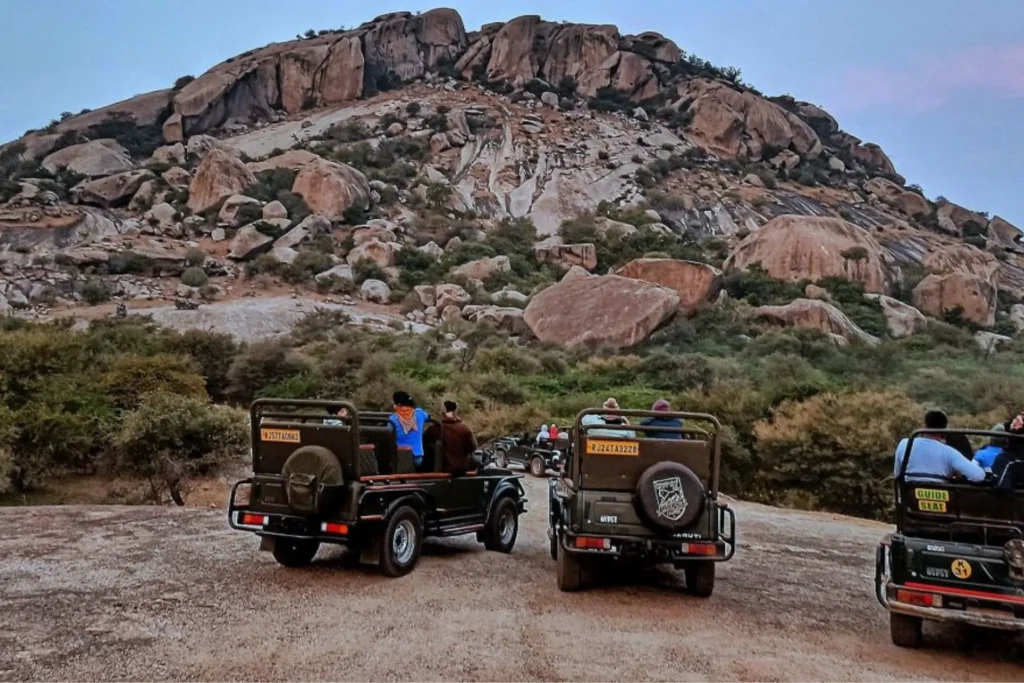
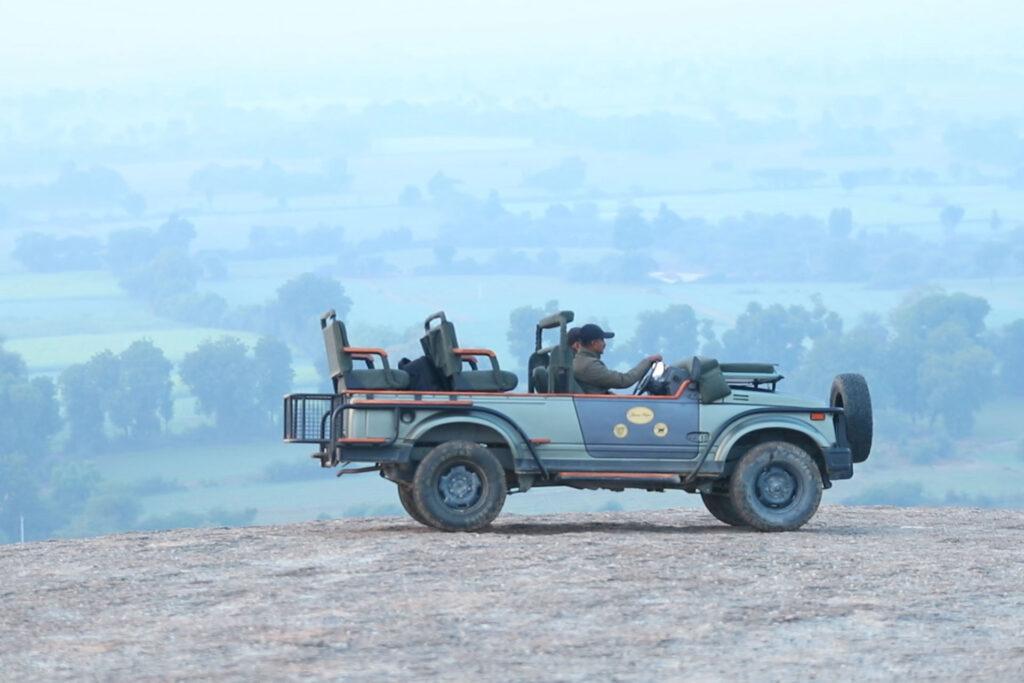
A Jawai Dam safari generally takes place in an open safari vehicle, with local guides taking visitors through rocky landscapes and countryside around the reservoir. Unlike a typical forest safari with marked zones and dense vegetation, Jawai offers expansive views and a landscape dominated by granite formations.
The best time for wildlife viewing can vary seasonally. Early-morning and late-afternoon excursions are generally preferred because temperatures are more comfortable and wildlife activity may be higher. The dry season can also make animals easier to observe against the rocky terrain, although conditions vary from year to year.
A Jawai dam jeep safari is therefore best approached as a wildlife-tracking experience rather than a guaranteed leopard tour.
Suggested Jawai Dam Tour Itinerary
A practical Jawai dam tour itinerary can be arranged over two days.
Day 1: Arrive in Jawai, check into accommodation and spend the afternoon exploring the local landscape. A sunset visit around the reservoir offers excellent opportunities for photography. An evening cultural experience or village interaction can provide insight into local pastoral traditions.
Day 2: Begin with an early-morning Jawai Dam safari through the surrounding hills. After breakfast, spend time exploring the reservoir and observing birds. In the afternoon, take another safari or visit nearby heritage and rural attractions before enjoying sunset around the dam.
For travelers with more time, a three-day Jawai dam itinerary allows two or three safari drives, giving better opportunities to explore different hill systems and observe the landscape under changing conditions.
Best Time to Visit Jawai
October to March is generally considered a comfortable period for exploring Jawai because temperatures are comparatively pleasant, particularly during safari hours. Winter also offers good birdwatching opportunities around the reservoir.
Summer can be considerably hotter, but dry conditions may offer interesting wildlife-viewing opportunities. Monsoon conditions can transform the landscape with greener vegetation, although water levels and safari accessibility may change.
Heritage and Responsible Tourism
Jawai is not only about leopards. Its heritage lies in the relationship between people, livestock, water and the rocky environment. Visitors can appreciate traditional village life, local architecture, pastoral culture and the wider history of the Pali region alongside wildlife.
Responsible tourism should therefore support local guides and communities, respect village customs and avoid intrusive photography. Travelers should also choose operators that prioritize animal welfare and ecological responsibility.
Final Thoughts
To Jawai Bandh explore is to discover a Rajasthan that differs from the state's famous forts and desert landscapes. Here, an engineered reservoir has become part of a remarkable semi-arid ecosystem, while granite hills provide refuge for one of India's most adaptable predators. Staying at a luxury resort in Jawai can further enhance the experience, offering comfortable accommodation while keeping travelers close to the region's unique wildlife and natural landscapes. From the history and construction of Jawai Dam to its approximately 9.7-billion-cubic-foot storage capacity, from the reservoir's importance to agriculture to the extraordinary leopard habitat around its hills, Jawai represents an intersection of engineering, heritage, ecology and tourism. A thoughtfully planned Jawai dam itinerary should therefore leave room not only for a Jawai dam jeep safari, but also for understanding the people and environment that make this landscape special. The greatest attraction of Jawai is ultimately its coexistence: a place where communities and wildlife have shared a challenging semi-arid landscape for generations.