Jawai vs Ranthambore Safari: Which is Better for Luxury & Leopard Sightings?

Jawai Leopard Safari Guide
July 6, 2026
Explore Jawai and Bera: Top Attractions & Safari Guide
July 9, 2026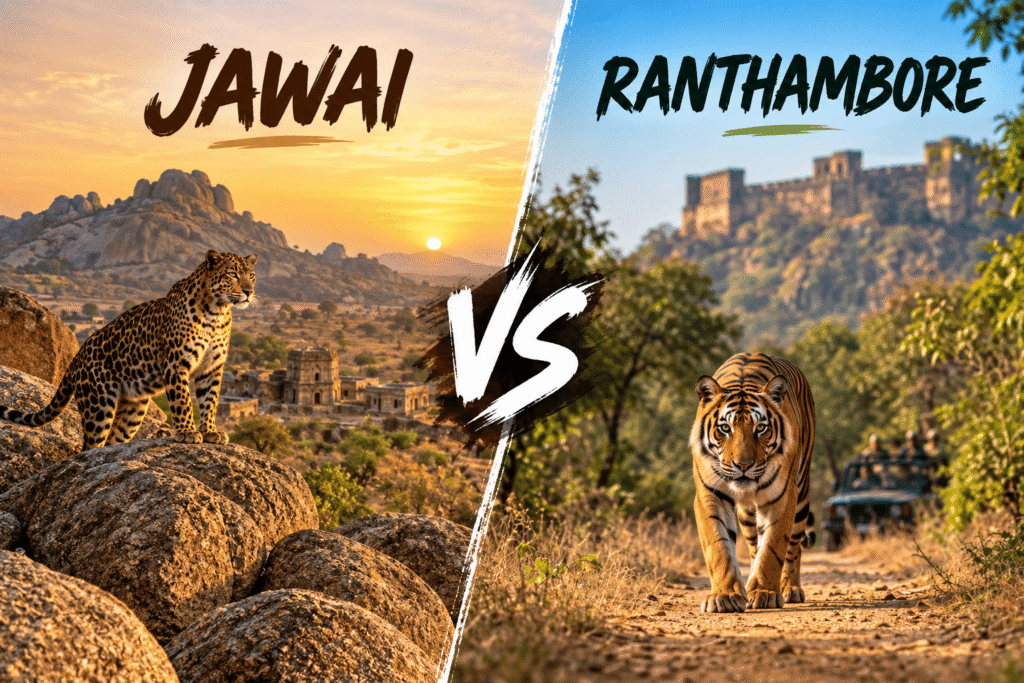
Rajasthan remains India's premier destination for experiencing an unforgettable wildlife safari, drawing nature lovers, photographers, and high-end travelers from across the globe. While the state is universally celebrated for its historic forts and royal palaces, its wilderness holds two contrasting jewels: the rugged granite kopjes of Jawai and the historic dry deciduous woodlands of Ranthambore National Park.
When planning an itinerary, travelers constantly debate Jawai vs Ranthambore: which destination delivers superior luxury, and where do your chances of spotting big cats peak? While both reserves promise world-class hospitality, their terrain, conservation models, and wildlife dynamics offer completely distinct adventures.
Here is an in-depth comparison to help you choose the ideal wilderness retreat for your journey.
Understanding the Landscape: Granite Kopjes vs. Forest Ruins
The foundational difference in the Jawai vs Ranthambore debate lies in topography and administrative setup.
The Terrain of Jawai
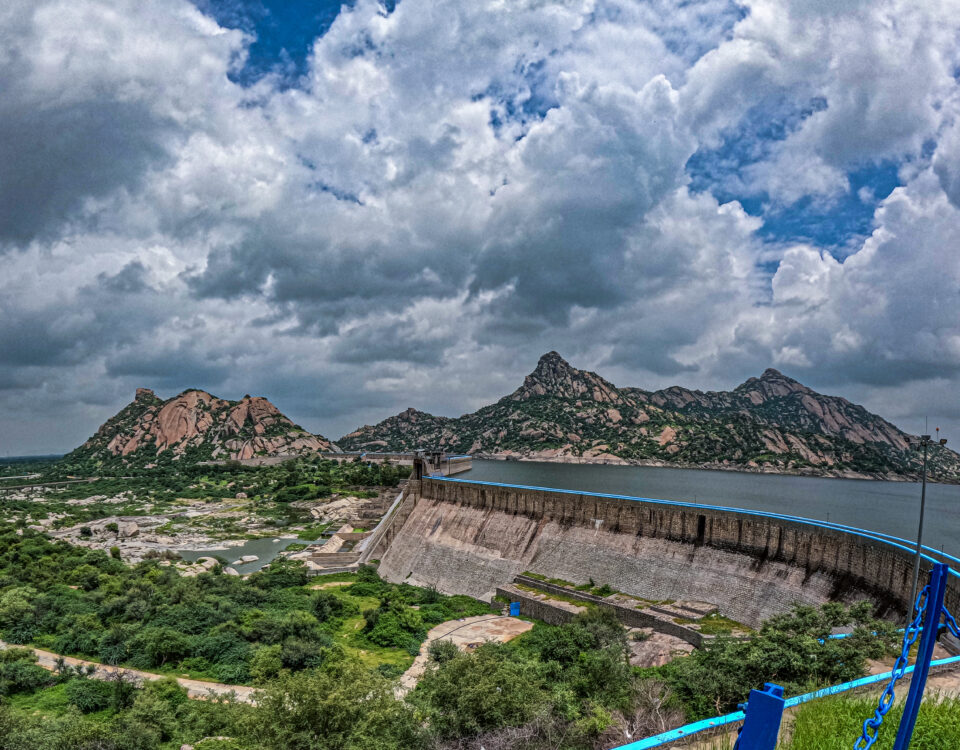
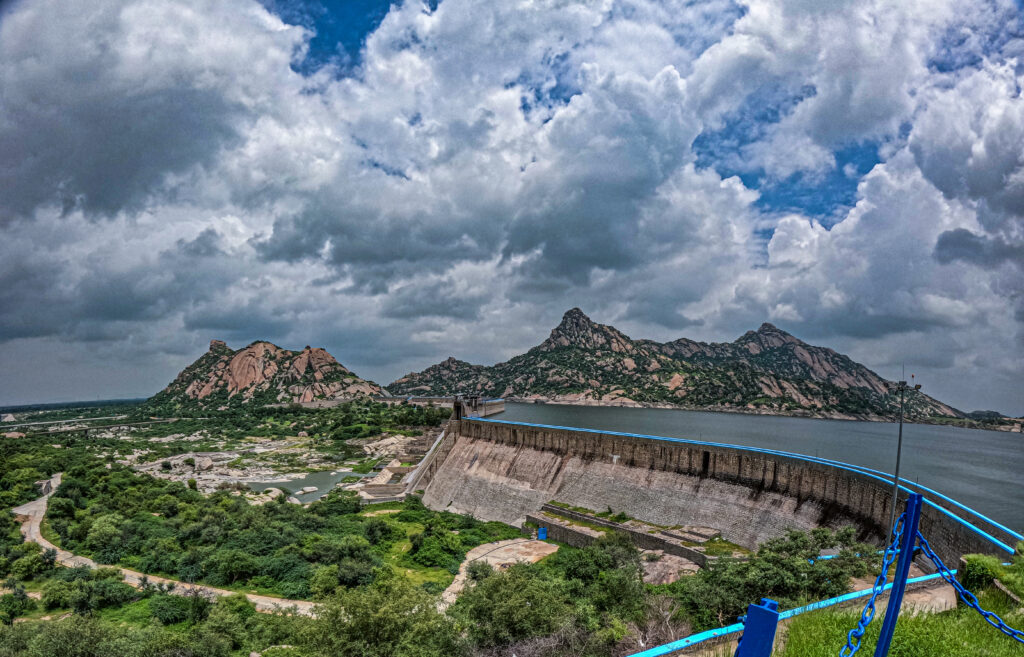
Located in the Pali district, Jawai is not a strictly enclosed national park or fenced sanctuary. It is an open, community-managed wildlife landscape defined by billion-year-old volcanic granite boulders, sandy riverbeds, pastoral villages, and the expansive Jawai Bandh reservoir. Because Jawai lacks dense forest undergrowth, the terrain provides uninterrupted visibility across hills and stone alcoves where big cats bask openly.
The Terrain of Ranthambore
Nestled in Sawai Madhopur, Ranthambore National Park spans over 1,300 square kilometers across the junction of the Aravalli and Vindhya hill ranges. It features dense dhok foliage, steep ridges, sprawling lakes (Padam Talao, Malik Talao, Rajbagh), and ancient stone ruins crowned by the 10th-century Ranthambore Fort. The foliage is dense and traditional, offering a classic jungle aesthetic.
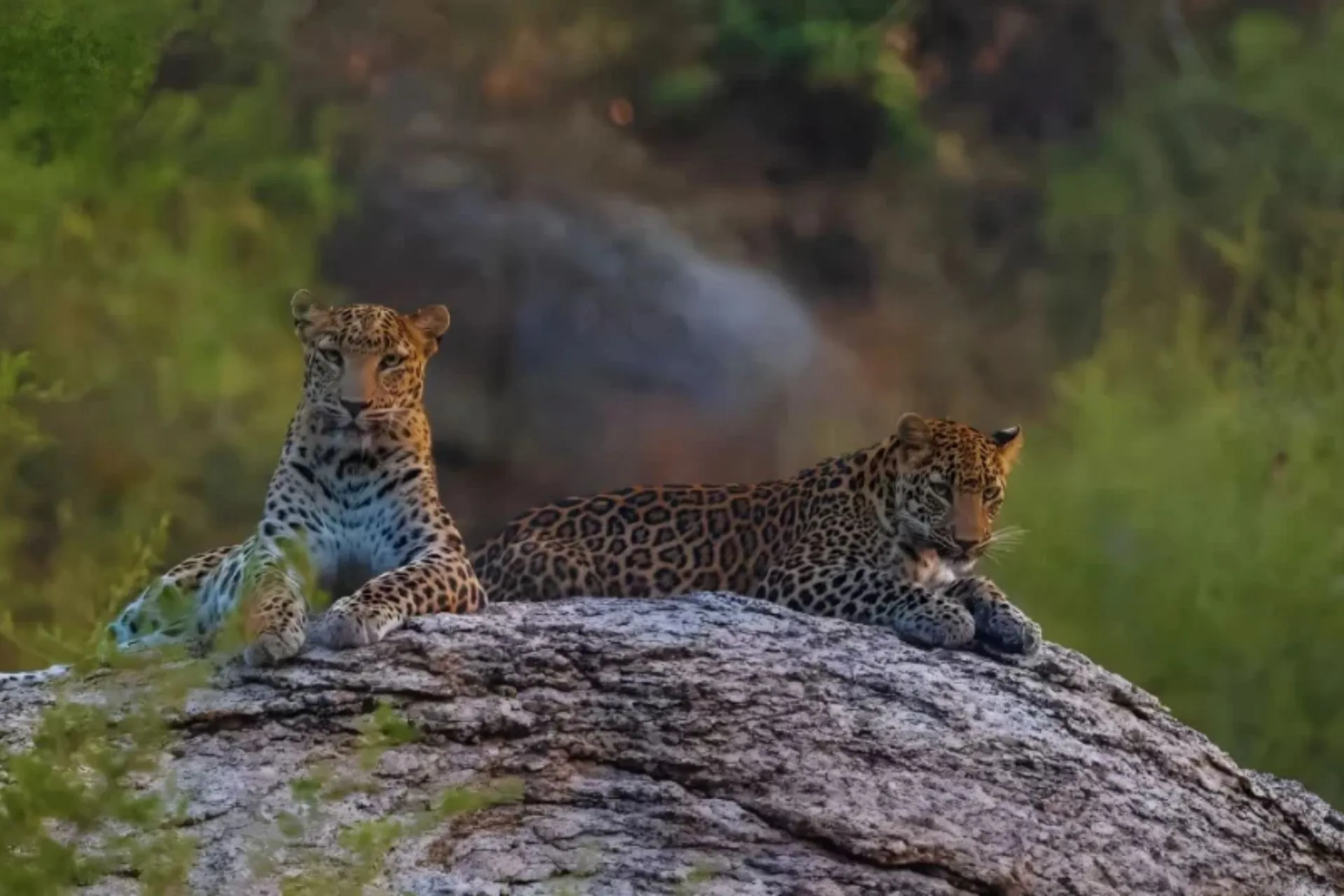
Leopard Sightings: Why Jawai Dominates the Feline Showdown
If your priority is tracking and viewing leopards in the wild, the winner between Jawai vs Ranthambore is clear-cut.
Leopard Sightings in a Jawai Safari
A dedicated jawai safari boasts the highest leopard sighting strike rate in Asia, frequently exceeding 85% to 90% across a two-night stay. Jawai is home to over 60 resident leopards that live in direct harmony with the red-turbaned pastoral Rabari tribesmen.
Key reasons leopards are easier to spot in Jawai:
- Natural Elevation: Leopards use the tops of granite hills to sunbathe during early mornings and late afternoons, making them visible through binoculars and telephoto lenses from significant distances.
- Absence of Apex Competition: Unlike reserves dominated by tigers, leopards in Jawai are the apex terrestrial predator. They display little fear of open spaces, moving freely in broad daylight without looking over their shoulders for larger competitors.
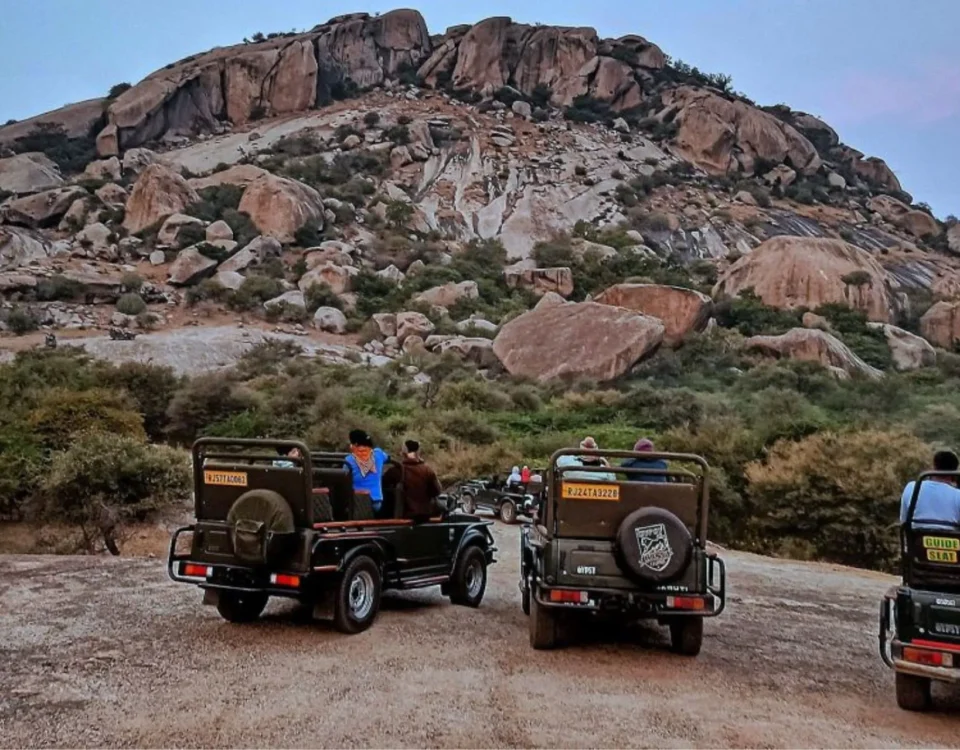
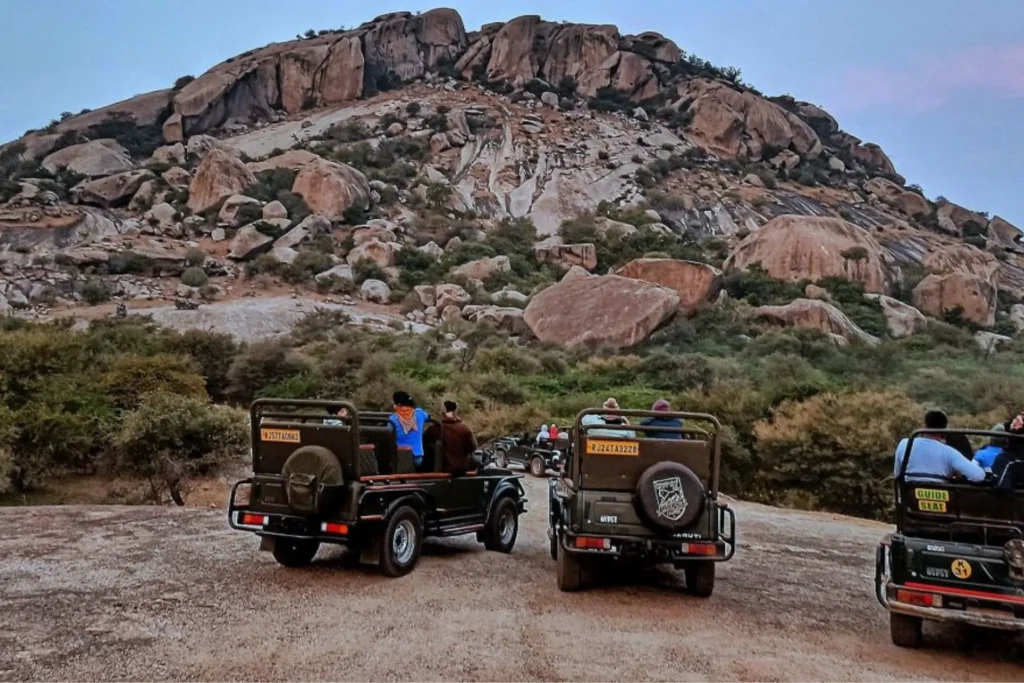
- Flexible Tracking: Because a jawai safari does not bind jeeps to strict forest department routes or single pre-allocated zones, expert local trackers can drive directly toward where alarm calls and territorial marks indicate movement.
Leopard Sightings in a Ranthambore Safari
Can you see leopards during a Ranthambore safari? Yes, but sightings are rare and opportunistic.
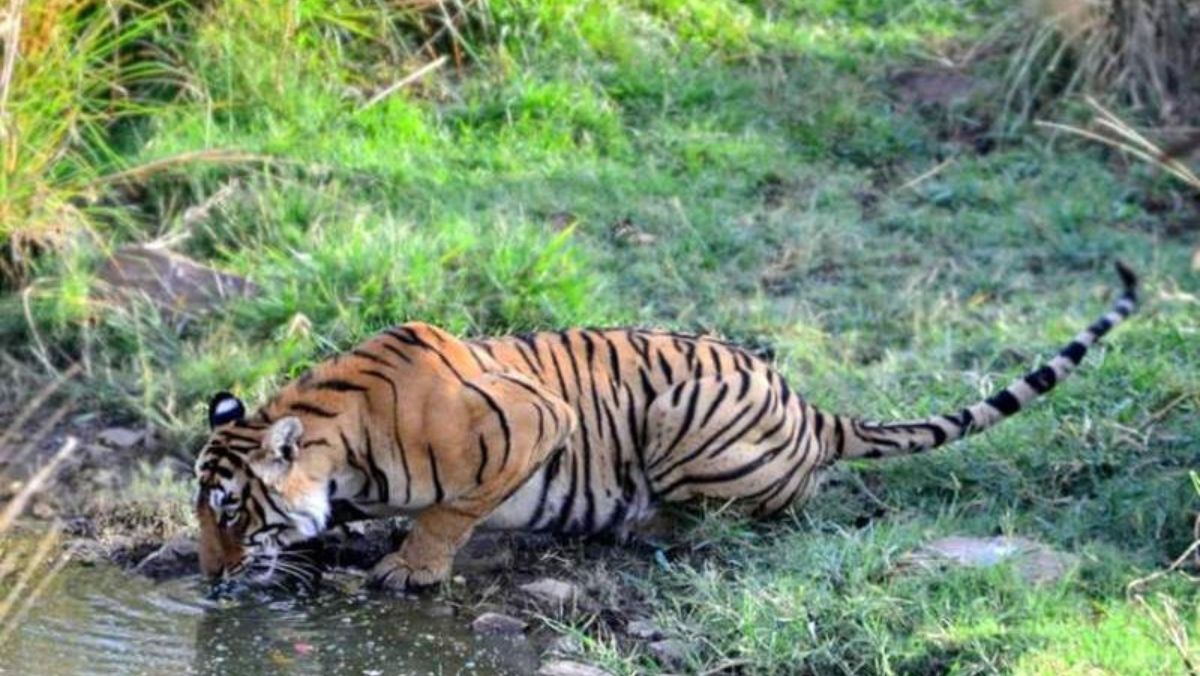
Ranthambore holds a healthy leopard population, but because the forest is ruled by the Royal Bengal Tiger, leopards are hyper-elusive. Tigers frequently displace or kill leopards to eliminate predatory competition. As a result, leopards in Ranthambore maintain a nocturnal habit, hide in dense rocky fringes, or frequent the outer buffer zones (such as Zones 6 through 10). During a typical Ranthambore safari, guests spot tigers, sloth bears, and sambar deer far more consistently than leopards.
The Safari Experience: Vehicle Freedom and Regulations
Safari dynamics impact the overall quality of your wildlife safari, from vehicle comfort to trail congestion.
| Safari Parameter | Jawai Leopard Safari | Ranthambore Tiger Safari |
|---|---|---|
| Primary Cat Species | Indian Leopard (Panthera pardus fusca) | Royal Bengal Tiger (Panthera tigris tigris) |
| Zone Restrictions | Open landscape, flexible routes | Strict zone allocation (Zones 1 to 10) |
| Safari Vehicles | Exclusively customized open 4x4 Jeeps | 6-seater Gypsys and 20-seater Canters |
| Crowd Density | Low, peaceful, private sightings | High vehicle volume per zone |
| Seasonality | Open 365 days a year | Core zones close from July to September |
| Night Safaris | Permitted in select rocky buffer belts | Strictly prohibited inside park boundaries |
A jawai safari feels bespoke. Because safaris operate across community lands and private concessions, luxury resorts in Jawai dispatch private 4x4 vehicles fitted with customized suspension, camera rests, and refreshments. Guides can spend 45 minutes parked alongside a granite outcrop waiting for a cub to emerge without being rushed by park exit chits.
Conversely, a Ranthambore safari is managed by strict state forestry rules. Jeeps must enter and exit through designated gates within strict morning and afternoon time limits. If multiple vehicles receive word of a tiger near a waterhole, a dozen jeeps and canters can gather on the same stretch of track.
Luxury Accommodations: Where Does True Exclusivity Lie?
Both regions offer world-renowned luxury properties, but they deliver distinct flavors of indulgence.
Ultra-Luxury in Jawai
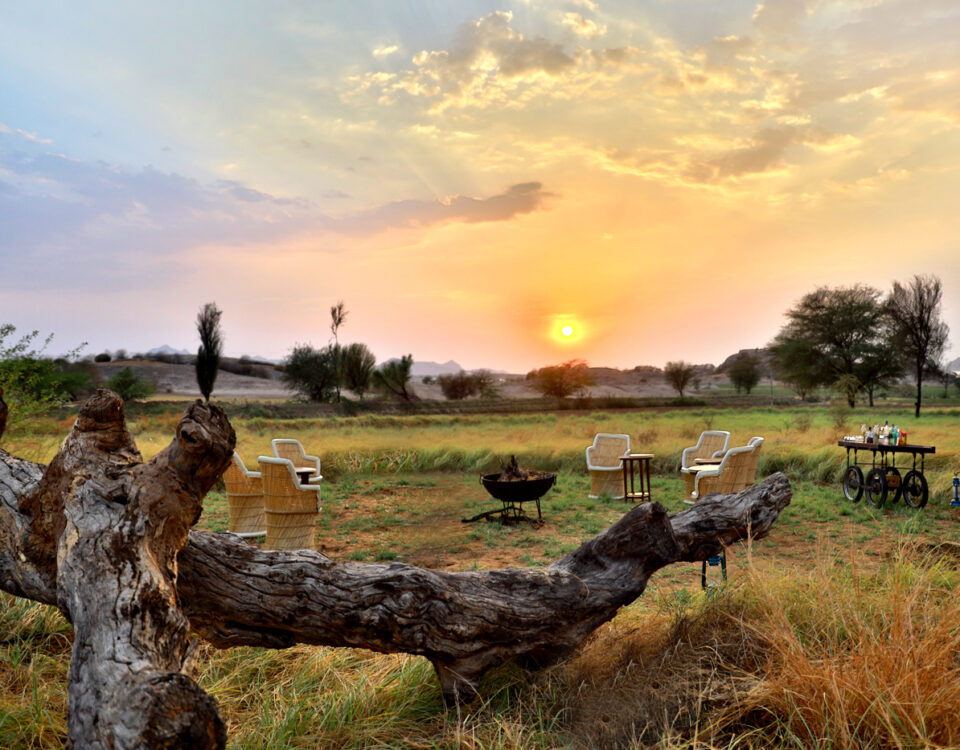
Jawai is synonymous with private, low-impact, ultra-luxury tented camps. Flagship properties like The Jawai Sagar set the best resort for wilderness luxury with Relais & Châteaux accreditation, private heated plunge pools, dedicated butler service, and private dining setups under star-studded skies.
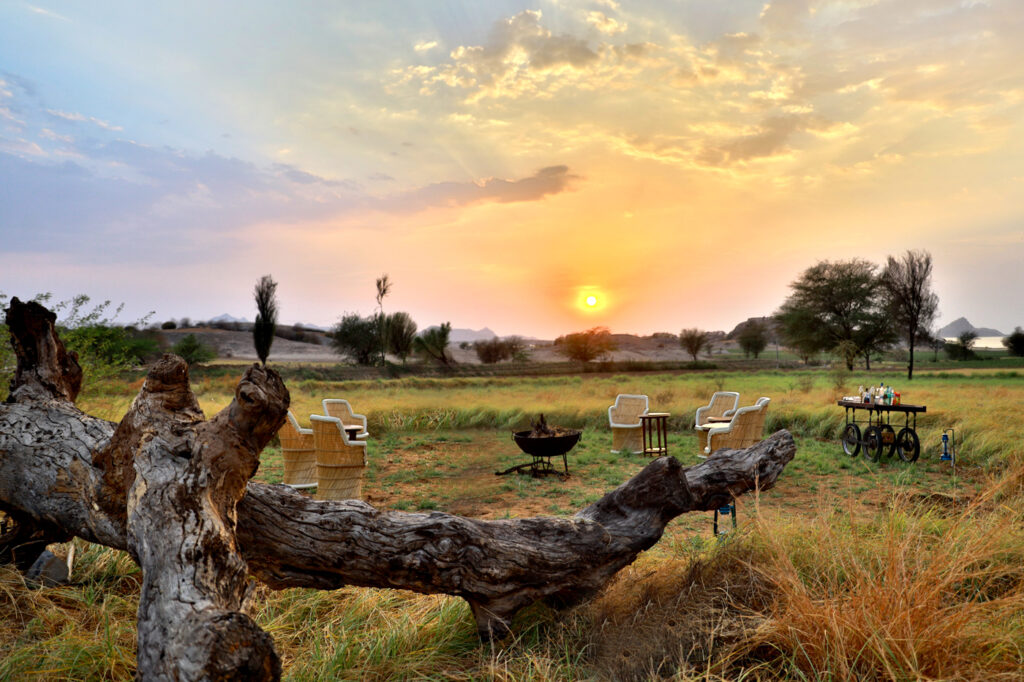
Other high-end retreats—such as Bera Safari Sanctuary, Jawai Castle, and boutique eco-lodges—provide bespoke farm-to-table cuisine, campfire sundowners on granite ridges, and personalized cultural interactions with the Rabari pastoralists. The luxury in Jawai is raw, serene, and deeply intimate.
Heritage and Grandeur in Ranthambore
Ranthambore offers regal, palace-style luxury and classic colonial-era tented outposts. Renowned brands operate standout estates here:
- The Oberoi Vanyavilas: Known for triple-canopy luxury tents, private walled gardens, and fine dining.
- Aman-i-Khás: An exclusive 10-tent luxury encampment set on the park’s perimeter, inspired by Mughal traveling pavilions.
- Sujan Sher Bagh: An authentic safari camp evoking the romance of 1920s wilderness expeditions.
- Six Senses Fort Barwara: A converted 14th-century royal fort providing palace-style suites and wellness programs.
If you value historic palaces, spa retreats, and grand royal architecture alongside your drives, Ranthambore holds a distinct advantage.
Birdwatching, Cultural Immersion, and Beyond
Beyond big cat tracking, both destinations enrich a wildlife safari with secondary attractions:
Culture and Wetland Life in Jawai
- Jawai Dam Bird Sanctuary: The reservoir hosts thousands of migratory birds between October and March, including bar-headed geese, flamingos, sarus cranes, and osprey.
- Marsh Crocodiles: Basking mugger crocodiles line the shores of the dam, easily seen alongside birding trails.
- Rabari Pastoral Heritage: Guests can participate in guided walking visits to Rabari hamlets, gaining insight into the spiritual philosophy that protects wild leopards from retaliatory poaching.
Historic Grandeur in Ranthambore
- Ranthambore Fort: A UNESCO World Heritage site perched inside the park, offering views of the jungle and lakes.
- Trinetra Ganesha Temple: An active ancient pilgrimage site located inside the fort ramparts.
- Rich Prey Base: Large herds of chital, sambar deer, nilgai, wild boars, and marsh crocodiles thrive around the central lakes.
Best Time to Visit and Accessibility
Planning Jawai
- Season: Open year-round. October to March offers crisp morning weather and abundant migratory birds. April to June is warmer, but leopards regularly venture to waterholes, ensuring reliable sightings.
- Reaching Jawai: Accessible by road from Udaipur (around 2.5 to 3 hours) or Jodhpur (around 3 hours). The nearest railhead is Falna or Jawai Bandh.
Planning Ranthambore
- Season: Core safari zones (1 to 5) open from October 1st to June 30th and close during the monsoon (July to September). Peak wildlife viewing runs from November through April.
- Reaching Ranthambore: Accessible by road from Jaipur (around 3.5 hours) or via direct high-speed rail to Sawai Madhopur junction from Delhi and Mumbai.
Final Verdict: Which Safari Destination Should You Book?
Choosing between Jawai vs Ranthambore depends on your wildlife priorities and personal travel style:
- Choose a Jawai Safari if: Your goal is guaranteed Jawai Leopard Safari, crowd-free drives, flexible 4x4 vehicle exploration, and secluded luxury tented camps. It is the premier retreat for wildlife photographers, honeymooners, and travelers seeking untouched tranquility.
- Choose a Ranthambore Safari if: Seeing the Royal Bengal Tiger tops your bucket list, you are captivated by historical forest ruins and jungle lakes, and you prefer grand hotel retreats with easy rail connections to the Golden Triangle.
For the ultimate Rajasthan journey, combining both locations provides the ideal balance: the quiet granite peaks of Jawai for leopards, followed by the deep forest trails of Ranthambore for tigers.